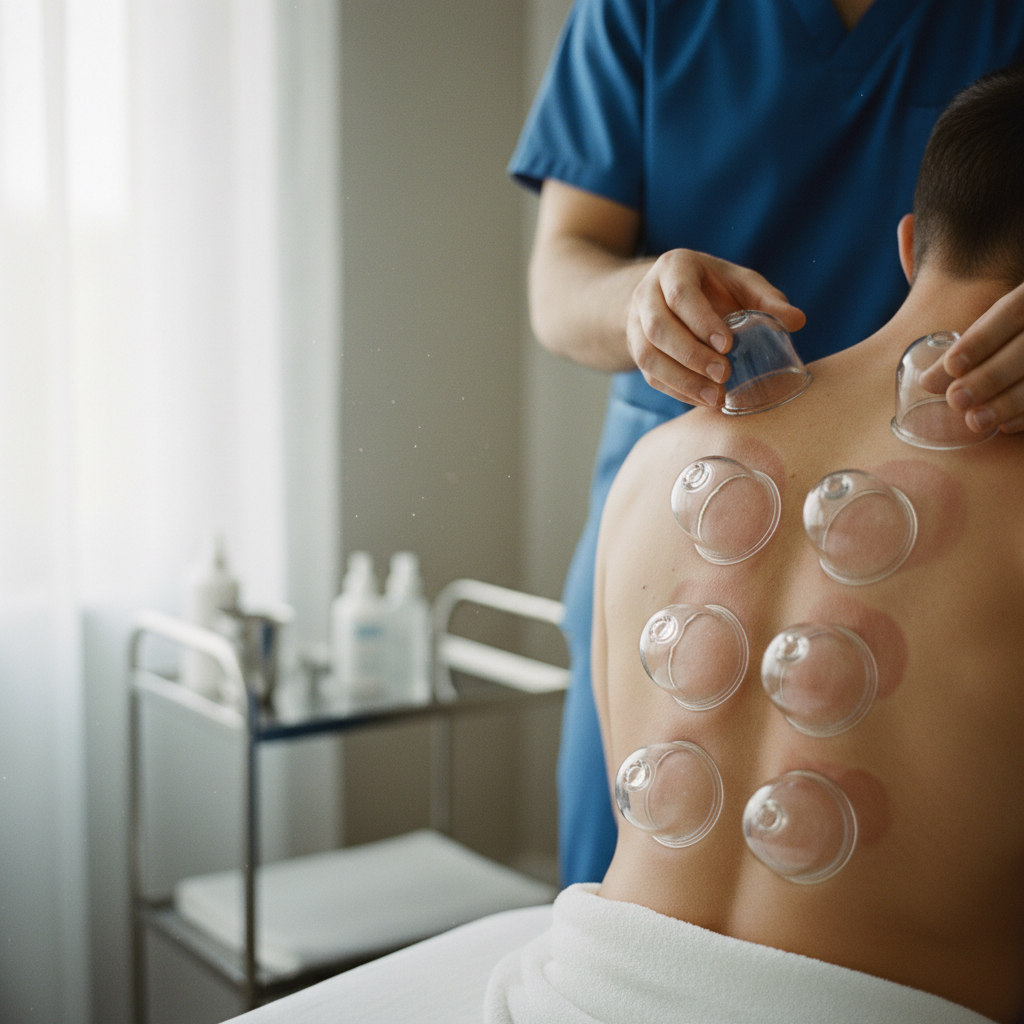
Complete Guide to Cupping Therapy Applications: Professional Techniques and Evidence-Based Practice
Cupping therapy has emerged as one of the most requested complementary treatments in modern clinical practice. But here’s what most practitioners don’t realize: the quality of your cupping equipment directly impacts patient outcomes more than technique alone.
At Myofascial Releaser, we’ve worked with thousands of healthcare professionals who’ve discovered that strategic cupping applications, when integrated with IASTM protocols, can reduce treatment times by 30-40% while improving patient satisfaction scores.
What Makes Professional Cupping Therapy Different?
Cupping therapy creates controlled negative pressure to lift and separate tissue layers, promoting blood flow and reducing fascial restrictions. While this sounds straightforward, the application precision determines whether you achieve therapeutic results or simply leave temporary marks.

The mechanism involves creating suction that draws skin and underlying tissue into specialized cups. This process increases local circulation, promotes lymphatic drainage, and creates space between fascial layers that may be adhered or restricted.
What separates professional applications from wellness trends? Medical-grade equipment and evidence-based protocols. Our Professional Cupping Therapy Set with 18 Multi-Sized Vacuum Cups includes multiple cup sizes specifically designed for anatomical variation and treatment depth requirements.
Types of Cupping Applications in Clinical Practice
Dry Cupping for Myofascial Release
Dry cupping creates suction without skin penetration, making it the safest option for most patients. The vacuum effect lifts tissue away from underlying structures, allowing for improved gliding between fascial layers.

Best applications include:
Pre-IASTM tissue preparation
Chronic muscle tension in large muscle groups
Scar tissue mobilization
Trigger point release
Massage Cupping for Dynamic Treatment
This technique involves moving cups across lubricated skin while maintaining suction. The combination of negative pressure and movement creates a unique tissue-stretching effect that static cupping cannot achieve.
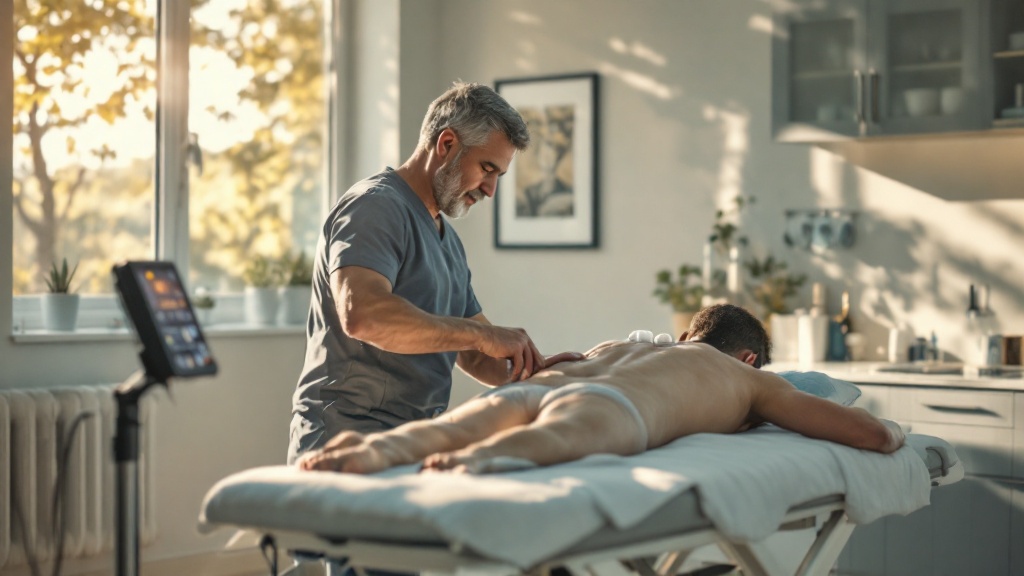
In our clinical experience, massage cupping works exceptionally well when combined with our Ellipse Pro Professional Muscle Scraper for comprehensive soft tissue mobilization.
Flash Cupping for Nervous System Modulation
Rapid application and removal of cups creates intermittent pressure changes that can help modulate pain signals and improve circulation without leaving marks. This technique is particularly useful for sensitive patients or areas requiring gentle intervention.

Evidence-Based Cupping Therapy Applications
Pain Management Protocols
A 2019 systematic review of 61 studies involving 6,464 participants showed moderate evidence for cupping’s effectiveness in pain reduction across multiple conditions. The key finding: treatment consistency and proper equipment significantly influenced outcomes.
Conditions showing the strongest evidence include:
Chronic low back pain: 6-8 sessions over 3-4 weeks
Neck and shoulder tension: Combined with manual therapy
Knee osteoarthritis: Part of multimodal treatment approach
Headache management: Focus on suboccipital and cervical regions
Sports Medicine Integration
Professional athletes have brought cupping into mainstream awareness, but the applications go far beyond recovery. 85% of Olympic athletes report using alternative therapies, with cupping ranking among the top three methods according to International Olympic Committee surveys.
The sports applications we see most frequently:
Pre-competition preparation: Improving tissue mobility
Post-training recovery: Reducing DOMS and inflammation
Injury prevention: Maintaining healthy fascial gliding
Return-to-play protocols: Restoring normal tissue mechanics
Professional vs. At-Home Cupping: Safety and Efficacy Comparison
Here’s where many practitioners face questions from patients: “Can I just buy cups online and do this myself?”
The reality is that DIY cupping carries significant risks that most patients don’t understand:
Professional Advantages:
Proper assessment of contraindications
Sterile technique and equipment maintenance
Appropriate pressure and duration control
Integration with other therapeutic modalities
Immediate response to adverse reactions
Home Kit Limitations:
No clinical assessment of suitability
Risk of excessive suction and tissue damage
Potential for infection with poor hygiene
Lack of anatomical knowledge for safe placement
No integration with comprehensive treatment plans
We recommend that patients interested in home care start with professional treatment to understand proper technique and identify any contraindications. Our cupping therapy techniques training helps practitioners educate patients about these important distinctions.
Cupping Applications for Specific Demographics
Geriatric Considerations
Older adults require modified approaches due to skin fragility and potential medication interactions. Key modifications include:
Reduced suction pressure (30-40% less than standard)
Shorter treatment duration (5-8 minutes vs. 10-15)
Careful assessment of anticoagulant medications
Focus on larger muscle groups rather than bony prominences
Pediatric Applications
Cupping can be beneficial for children, but requires significant protocol adjustments:
Ages 12+ with parental consent and patient assent
Very light suction with frequent pressure checks
Treatment duration limited to 3-5 minutes
Focus on education and comfort measures
Pregnancy Considerations
Pregnancy creates specific contraindications and modified applications:
Avoid: Abdominal, low back, and sacral regions
Safe areas: Upper back, shoulders, and extremities (with modifications)
Timing: Generally avoid first trimester
Positioning: Side-lying or seated positions only
Insurance Coverage and Financial Considerations
Many patients ask about insurance coverage for cupping therapy. Here’s the current landscape:
Coverage Scenarios:
When provided by licensed physical therapists as part of manual therapy
Integration with covered acupuncture services
Some flexible spending accounts (FSA) and health savings accounts (HSA) accept cupping as qualified medical expenses
Workers’ compensation may cover cupping for job-related injuries
Documentation Requirements:
Clear therapeutic goals and measurable outcomes
Integration with evidence-based treatment plans
Regular progress notes showing functional improvements
Proper diagnostic coding and procedure documentation
Typical costs range from $40-80 per session, with initial evaluations running $75-150. When integrated with other manual therapy services, the incremental cost often provides significant value.
Integration with IASTM and Manual Therapy
The most effective cupping applications occur within integrated treatment protocols. At Myofascial Releaser, we’ve developed specific sequences that combine cupping with our IASTM tools for enhanced outcomes.
Pre-IASTM Protocol:
Static cupping for 5-7 minutes to increase tissue temperature
Remove cups and immediately apply IASTM with tools like our Original Professional Muscle Scraper
The tissue preparation from cupping allows for deeper, more comfortable IASTM application
Post-Manual Therapy Protocol:
Complete manual therapy or IASTM treatment
Apply cupping to treated areas for 8-10 minutes
This sequence helps maintain tissue changes and reduces post-treatment soreness
Our massage and cupping therapy training program covers these integrated approaches in detail.
Safety Protocols and Contraindications
Absolute Contraindications:
Open wounds or infections in treatment area
Severe cardiovascular disease
Bleeding disorders or anticoagulant therapy
Pregnancy (specific regions)
Recent surgical sites
Active cancer in treatment region
Relative Contraindications:
Diabetes with poor circulation
Elderly patients with fragile skin
History of easy bruising
Recent corticosteroid injections
Hypertension (monitor blood pressure response)
Red Flags During Treatment:
Excessive pain or discomfort
Skin blanching or cyanosis
Patient reports of dizziness or nausea
Blistering or skin breakdown
Allergic reactions to cup materials
Equipment Quality and Professional Standards
Not all cupping equipment meets professional standards. Here’s what distinguishes medical-grade equipment:
Material Specifications:
Medical-grade silicone or glass construction
Easy sterilization and maintenance
Consistent suction capabilities
Ergonomic design for practitioner comfort
Size Variety Requirements:
Multiple diameters for anatomical variation
Different depths for treatment intensity
Specialized shapes for specific body regions
Our Professional Cupping Therapy Set includes 18 different sizes specifically selected based on clinical feedback from physical therapists and massage therapists across various practice settings.
Treatment Outcomes and Success Metrics
Successful cupping applications should produce measurable improvements:
Immediate Indicators:
Increased range of motion
Reduced pain on movement
Improved tissue pliability
Patient reports of decreased tension
Short-term Goals (1-2 weeks):
Sustained mobility improvements
Reduced frequency of symptoms
Improved functional activities
Decreased need for pain medication
Long-term Objectives (4-6 weeks):
Return to prior function level
Reduced treatment frequency
Patient ability to maintain improvements
Integration of self-management strategies
Common Questions About Cupping Therapy Applications
Q: What is the application of cupping therapy? A: Cupping therapy applications focus on creating controlled negative pressure to improve circulation, reduce fascial restrictions, and decrease pain. Professional applications integrate cupping with manual therapy protocols for enhanced therapeutic outcomes.
Q: How long should cupping therapy be applied? A: Treatment duration varies by technique and patient tolerance. Static cupping typically lasts 5-15 minutes, while massage cupping sessions run 10-20 minutes. Treatment frequency depends on condition severity and patient response.
Q: What conditions benefit most from cupping therapy? A: Strongest evidence exists for chronic pain conditions, particularly low back pain, neck tension, and headaches. Sports medicine applications for recovery and injury prevention also show significant benefits when properly applied.
Q: Is cupping therapy safe for all patients? A: Cupping has contraindications including bleeding disorders, pregnancy (certain regions), open wounds, and severe cardiovascular disease. Professional assessment determines individual suitability and appropriate modifications.
Q: How does cupping integrate with other therapies? A: Cupping works exceptionally well as preparation for IASTM, manual therapy, and exercise protocols. The tissue preparation effect enhances subsequent treatments while reducing patient discomfort.
Why Choose Myofascial Releaser for Cupping Applications
Our approach to cupping therapy centers on evidence-based integration rather than standalone treatment. We’ve equipped over 15,000 healthcare professionals with the tools and knowledge needed to incorporate cupping effectively into their practice.
What sets our cupping solutions apart:
Medical-Grade Construction: Every cup in our sets meets strict durability and safety standards, with easy sterilization protocols that maintain professional infection control requirements.
Comprehensive Education: We provide detailed protocols for integrating cupping with IASTM techniques, helping practitioners develop cohesive treatment approaches rather than adding isolated modalities.
Clinical Support: Our team includes licensed physical therapists who understand the challenges of modern practice and can provide guidance on implementation and patient education.
Quality Assurance: Unlike consumer-grade products, our cupping sets are designed for daily professional use, with replacement guarantees and ongoing technical support.
Visit our cupping therapy information section for the latest research updates and technique refinements.
Getting Started with Professional Cupping Applications
Ready to integrate cupping into your practice? Start with proper education and quality equipment. Our cupping training programs cover safety protocols, evidence-based applications, and integration strategies that help you achieve consistent patient outcomes.
The modern healthcare landscape demands efficient, effective treatments that patients value and insurance supports. Cupping therapy applications, when properly implemented, check all these boxes while enhancing your existing manual therapy skills.
Don’t let inferior equipment or inadequate training limit your success. Contact our team to discuss how our cupping solutions can enhance your practice outcomes and patient satisfaction scores.
Professional-grade cupping starts with professional-grade equipment and education. Take the next step toward expanding your therapeutic capabilities with confidence.